Platelet-Rich Plasma, more commonly known as PRP, is a treatment that has attracted considerable interest in recent years, particularly in sports medicine and musculoskeletal injuries.
You may have heard of professional athletes receiving PRP injections for muscle or tendon injuries or perhaps come across the term regenerative medicine.
It certainly sounds rather futuristic!
But the idea behind PRP is actually quite simple: using components of your own blood to potentially support the body's natural healing processes.
What exactly is PRP?
Our blood contains several components, including red blood cells, white blood cells and platelets.
Most people associate platelets with blood clotting, but they also contain growth factors and other substances involved in tissue repair.
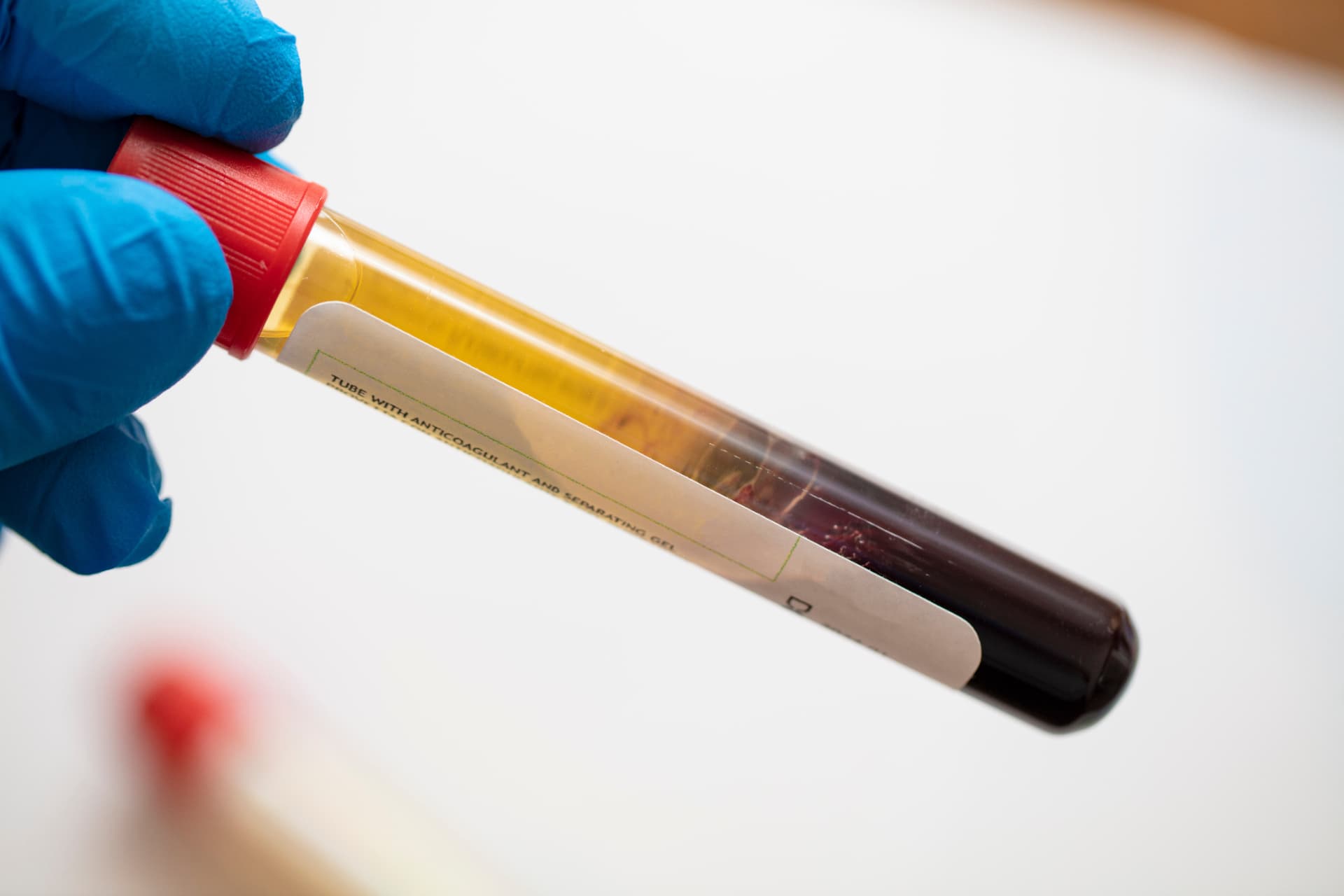
PRP is prepared by taking a small sample of your blood and placing it into a specialised machine called a centrifuge. This separates the blood into different components, allowing us to collect plasma containing a higher concentration of platelets.
This platelet-rich preparation is then injected into the area being treated.
In other words, we are using something already found within your body.
What conditions can PRP be used for?
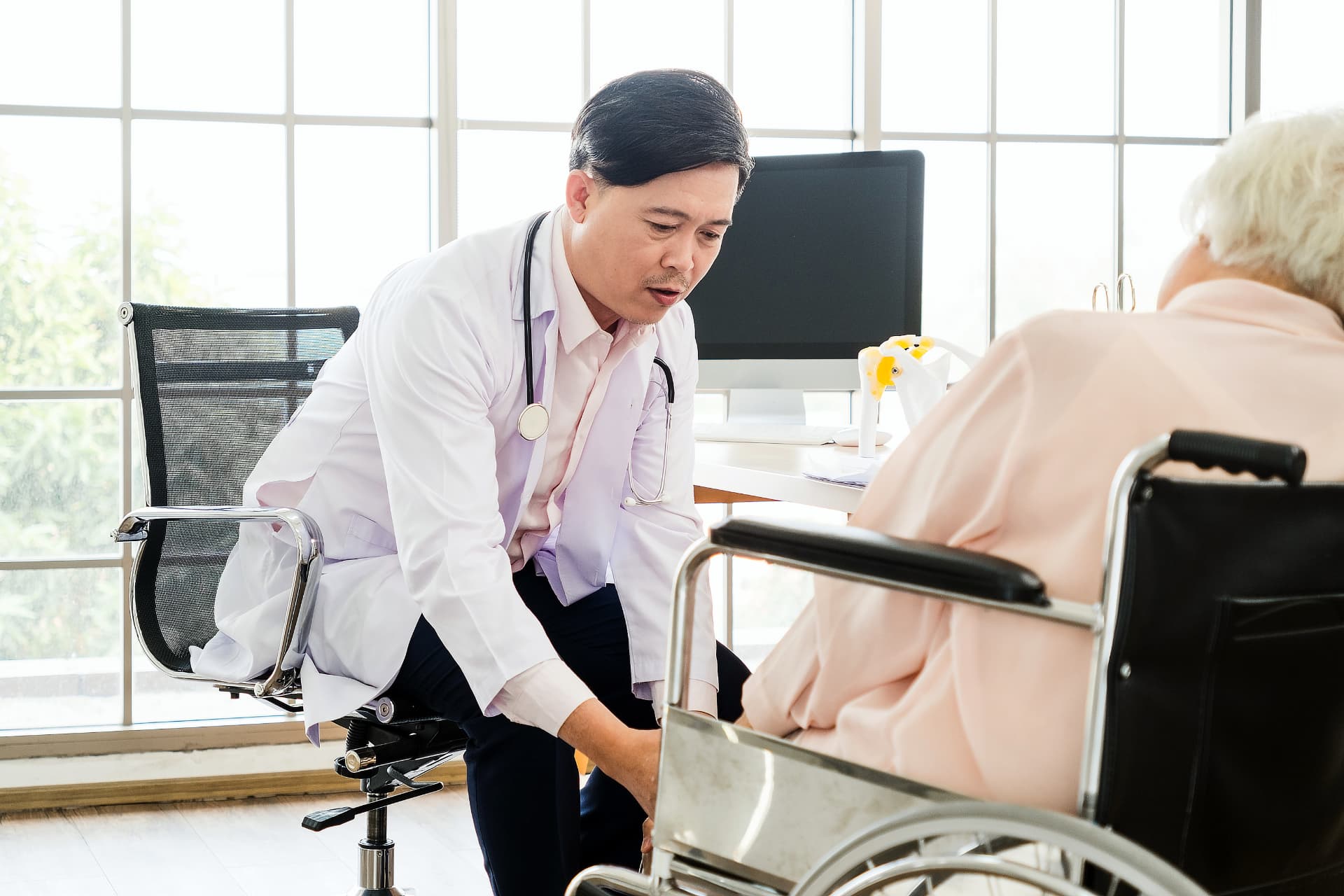
In my practice, I consider PRP primarily for selected musculoskeletal and soft-tissue injuries.
These may include:
- Hamstring injuries, including certain partial muscle tears.
- Calf muscle injuries, particularly selected muscle tears that may benefit from additional treatment.
- Tendon injuries, including certain longstanding tendon problems or partial tears.
- Other selected soft-tissue injuries, depending on the diagnosis and clinical circumstances.
An important point is that not every muscle or tendon injury requires an injection. Many heal very well with time, appropriate rehabilitation and sensible activity modification.
How is the injection performed?
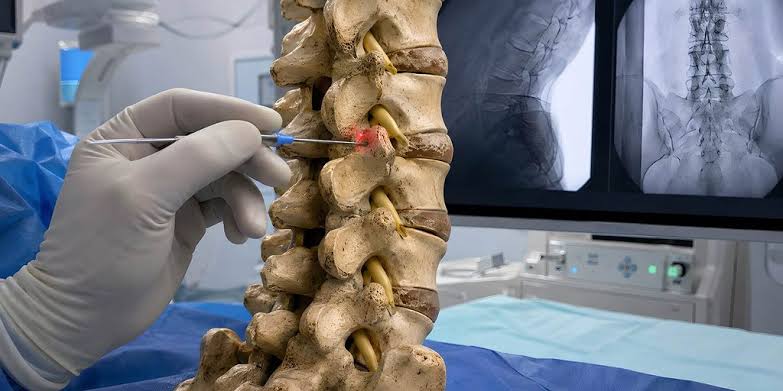
PRP injections can be performed under ultrasound guidance or Xray guidance.
Ultrasound allows me to visualise the affected muscle, tendon or surrounding structures in real time and guide the needle towards the intended treatment area.
This can be particularly useful when treating a specific muscle tear or tendon injury, where accurate placement is important.
The procedure generally involves taking a blood sample, preparing the PRP and administering the injection.
Some discomfort or temporary soreness afterwards is common. Bruising, bleeding and infection are also possible, although serious complications are uncommon.
Depending on the injury, a period of modified activity or protected weight-bearing may be recommended before gradually returning to rehabilitation.
Does PRP actually work?
This is a question I am frequently asked, and the answer is rather interesting.
PRP is an evolving area of medicine, with growing interest in its potential to support tissue healing and recovery.
Some studies have shown encouraging results, particularly for certain tendon conditions and muscle injuries, including hamstring tears.
However, research is still developing. For many conditions, the number of high-quality studies remains limited, and the findings are not always consistent.
It is worth remembering that a lack of conclusive evidence does not necessarily mean a treatment is ineffective. Sometimes, it simply means we need better research to understand who is most likely to benefit.
PRP preparations and injection techniques can also differ, making studies difficult to compare. And, as with many treatments in medicine, individual responses can vary.
While PRP may support the body's natural healing processes, it is not a guarantee of tissue regeneration or faster recovery.
My approach to PRP
I find regenerative medicine an interesting and evolving area of musculoskeletal care.
When considering PRP, I look at the nature and extent of the injury, previous treatments, current function and what we are realistically hoping to achieve.
Sometimes PRP may be a useful addition to a rehabilitation programme. At other times, physiotherapy, activity modification or simply allowing the body sufficient time to heal may be more appropriate.
Some patients may benefit from a single injection, while others may be considered for more than one treatment. This depends on the nature of the condition, the response to the initial injection and whether further treatment is likely to offer additional benefit.
This article is intended for general information and education only and does not replace individual medical advice. The suitability of PRP depends on the nature of the injury and should be discussed with your treating healthcare professional.
Best wishes

This article is intended for general information and education only. It is not a substitute for individual medical advice, diagnosis or treatment. The appropriateness of any investigation, medication, supplement, procedure or other treatment depends on your individual circumstances and should be discussed with your treating healthcare professional.