
Coming to see a pain specialist for the first time can feel a little daunting.
Some patients arrive carrying folders of scans and letters collected over many years. Others apologise because they cannot remember every medication they have tried. Some have seen several different specialists and worry that they will need to tell their entire story all over again.
And many simply do not know what to expect from a first pain specialist appointment.
My first piece of advice is simple: you do not need to have everything perfectly organised.
Your first appointment is an opportunity for me to get to know you, understand your pain and work out where we go from here.
Your first appointment is an hour
I allow approximately one hour for an initial pain specialist consultation.
There is a reason for that.
Persistent pain rarely fits neatly into a ten-minute conversation. I want to understand how your pain began, how it has changed, what treatments you have already tried and how it is affecting your life now.
But I also want to know something about the person experiencing it.
What do you do for work? How are you sleeping? What activities have become difficult? What have you stopped doing because of pain? What are you hoping to get back to?
For one person, the goal may be returning to work. For somebody else, it might be walking the dog, getting back into the garden, sleeping better or being able to pick up their children again.
These things matter because treating pain is not simply about changing a number from eight out of ten to four out of ten.
I want to understand what improvement would actually mean to you.
We will go through the story properly
During the first appointment, I will usually ask how the pain started, where you feel it, what makes it better or worse and what has happened since it began.
We will also talk about treatments you have already tried. This might include medications, physiotherapy, injections, previous procedures, surgery, psychology, complementary treatments or things you have tried yourself.
You do not need to remember every detail perfectly.
Sometimes simply knowing that you tried a medication and stopped it because it made you feel unwell is useful information. If you have a current medication list, bringing it along can certainly help.
I will review your scans and investigations
Imaging is often an important part of a pain assessment.
If you have had MRI scans, CT scans, X-rays, ultrasounds or other relevant investigations, I will review them alongside your symptoms and examination.
The important word there is alongside.
A scan does not experience pain — you do.
An MRI may show several abnormalities, but not all of them will necessarily be responsible for your symptoms. Equally, somebody can experience significant pain despite relatively reassuring imaging.
Part of my role is to put those pieces together and work out whether what we see on a scan actually fits with your pain, your examination and your story.
There will usually be an examination
Depending on the problem, I will usually perform a focused physical examination.
This may involve looking at movement, strength, sensation, joints, muscles or the nervous system.
Sometimes the examination helps identify a likely source of pain. At other times, it helps us decide which possibilities are less likely.
Pain medicine often involves putting several pieces of information together rather than relying on one single test.
You do not need to know what treatment you want
Some patients arrive already knowing about a particular injection or procedure. Others are very clear that they do not want a procedure at all.
Both are completely reasonable starting points.
My role is to discuss the options with you.
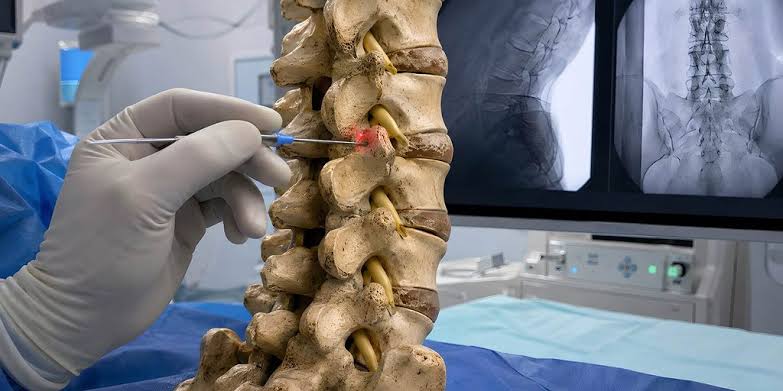
Depending on the problem, these may include medication, an image-guided or ultrasound-guided pain procedure, radiofrequency treatment, an infusion, physiotherapy, psychology, neuromodulation, complementary approaches or sometimes further investigation before deciding what to do next.
I will explain what I think may be contributing to the pain, which options I think are reasonable and what we are hoping to achieve.
Then we make a plan together.
What should you bring?
If available, it is helpful to bring or have access to your:
- current medication list
- relevant scan reports or imaging
- previous specialist letters or procedure reports
- recent investigations relevant to your pain.
But please do not become anxious if you cannot find everything. We can usually obtain further information when it is needed, and your referral will often already provide some of the background.
You are also very welcome to bring a partner, family member, carer or support person if that would make the appointment easier.
What I hope you leave with
I do not expect every complicated pain problem to be completely solved within one appointment.
But I do want you to leave with more clarity than you arrived with.
Ideally, you should understand what I think may be contributing to your pain, what our treatment options are and what the next step is.
Sometimes there is a clear diagnosis and a targeted treatment. Sometimes we need to investigate further. And sometimes the greatest value of the first appointment is bringing years of symptoms, scans and treatments together into a coherent picture.
Your first appointment is not simply about asking, “Where does it hurt?”
It is about understanding you, your pain, what it has changed in your life, and where you would like to go from here.
Best wishes

This article is intended for general information and education only. It is not a substitute for individual medical advice, diagnosis or treatment. The appropriateness of any investigation, medication, supplement, procedure or other treatment depends on your individual circumstances and should be discussed with your treating healthcare professional.