I often meet older patients who arrive at my clinic with a rather impressive list of medications.
There may be tablets for blood pressure, diabetes, the heart, sleep and, of course, pain.
Yet despite taking several medications, some patients continue to struggle with pain that affects their walking, sleep, confidence and independence.
Managing pain as we grow older can become a little more complicated. But it is certainly not impossible.
Isn't pain just part of getting older?
This is something I hear surprisingly often.
While conditions such as arthritis, spinal degeneration and nerve-related pain become more common with age, persistent pain should not simply be accepted as an inevitable part of growing older.
Sometimes there is a treatable cause. At other times, several conditions may be contributing simultaneously.
I have met patients who were told their pain was simply due to age, when there were other issues worth investigating.
Growing older may change how we approach treatment, but it shouldn't mean giving up on improving someone's comfort or quality of life.
Why does treatment become more complicated?
As we age, our bodies may process medications differently. Kidney and liver function can change, and we may become more sensitive to certain side effects.
A medication that worked perfectly well ten years ago might now cause dizziness, confusion or excessive drowsiness.
There may also be other medical conditions to consider. Someone with heart failure, kidney disease or a history of falls may not be suitable for certain commonly prescribed pain medications.
And then there is the issue of multiple medications, sometimes called polypharmacy.
Each medication may have been prescribed for a perfectly good reason. However, when several are taken together, their effects can occasionally become rather unpredictable.
It is not necessarily about finding a stronger painkiller. Sometimes, it is about finding a better balance.
More tablets aren't always the answer
When I review an older patient, one of the first things I consider is whether their existing medications are actually helping.
Are they improving sleep? Allowing someone to walk more comfortably? Making everyday activities easier?
Or are they simply causing tiredness, constipation, dizziness or an increased risk of falling?
Pain medications, including opioids and medications used for nerve pain, can certainly have a role. However, their potential benefits must be weighed against their risks.
Occasionally, simplifying a medication regimen may be more helpful than adding another tablet.
Of course, medications should never be stopped abruptly without appropriate medical guidance.
What about injections and other treatments?
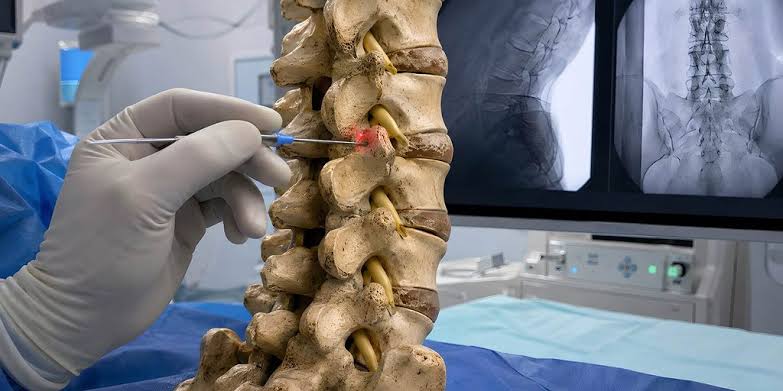
Some patients are surprised to learn that being older does not automatically exclude them from interventional pain treatments.
In selected circumstances, a carefully targeted injection or radiofrequency procedure may be worth considering, particularly when medication options are limited.
However, age alone is rarely the deciding factor.
I consider the patient's overall health, the likely source of pain, medications such as blood thinners, and whether a procedure is likely to provide a meaningful benefit.
For some, interventional procedures may make sense. Sometimes the potential risks outweigh the benefits.
Alternatively, a relatively simple change to medication, physiotherapy or daily activities may be the better option.
What if someone has difficulty explaining their pain?
This is another important consideration, particularly for patients living with dementia or other cognitive difficulties.
Not everyone can describe their pain clearly.
Occasionally, pain may present as restlessness, disturbed sleep, withdrawal or reluctance to move rather than a straightforward complaint of discomfort.
In these situations, observations from family members, carers and nursing staff can be invaluable.
I believe it is important to listen to those who know the patient well, while continuing to involve the patient in decisions as much as possible.
What does successful treatment look like?
This is perhaps my favourite question to ask.
For a younger patient, success might mean returning to work or playing sport.
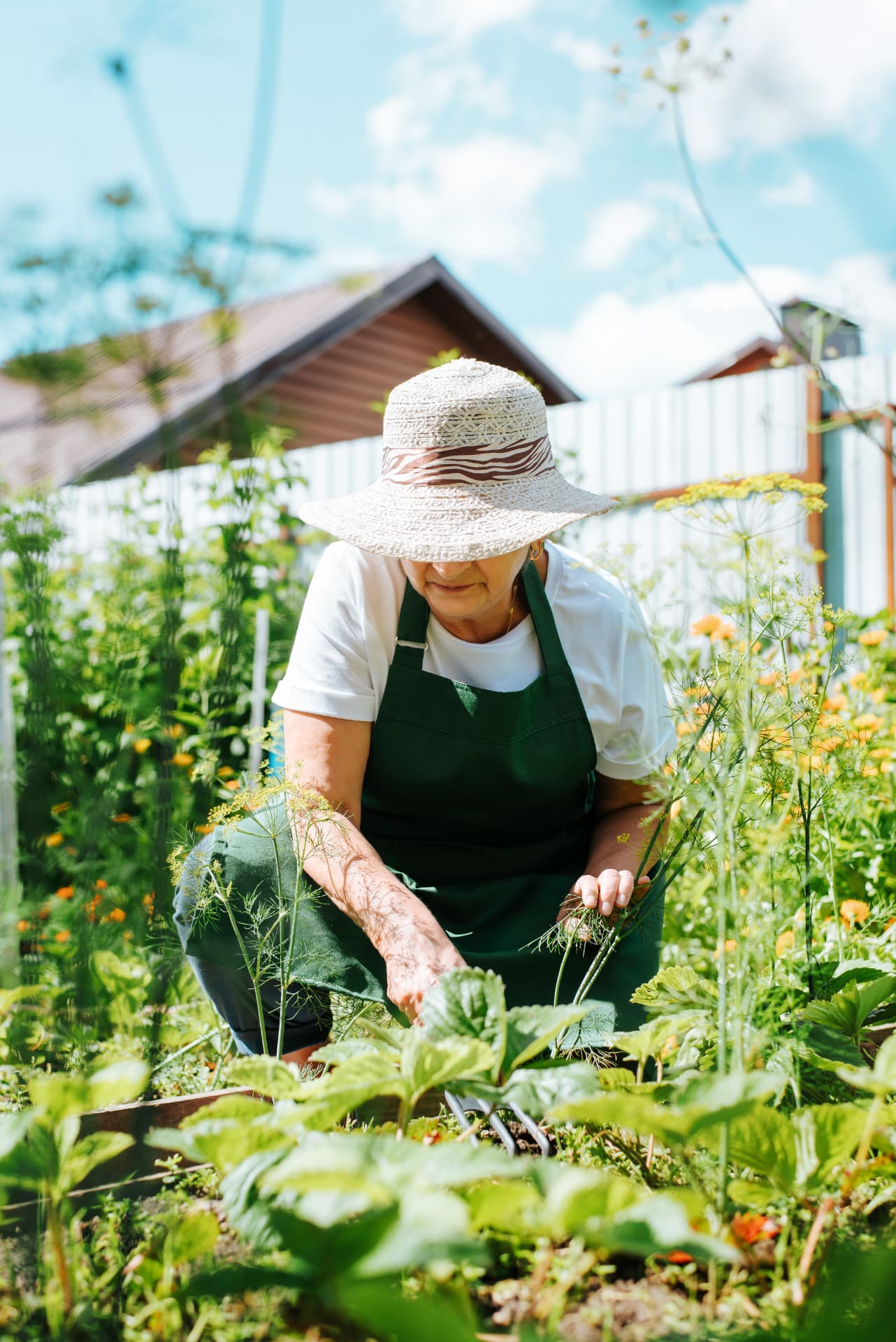
For an older patient, it might mean being able to walk to the letterbox, tend to the garden (and yes, I know how much some of you love your gardening!), enjoy a family outing, picking up your grandchildren or simply sleep comfortably through the night.
Arguably, maintaining independence is a far more meaningful achievement than reducing a pain score from seven to four.
And sometimes, our goal is simply to make everyday life a little easier.
My approach to pain in older patients
I find caring for older patients particularly rewarding because treatment necessitates us to consider the whole person rather than just the painful area.
Their medical conditions, medications, mobility, living arrangements and personal priorities all matter.
I also think we should be careful not to underestimate what older people can achieve. Age does not necessarily determine resilience, motivation or the capacity to improve.
There is rarely a one-size-fits-all solution.
Ultimately, my aim is to help patients remain as comfortable, active and independent as their circumstances allow.
After all, growing older should not mean that the things which make life enjoyable suddenly become less important.
Best wishes

This article is intended for general information and education only. It is not a substitute for individual medical advice, diagnosis or treatment. The appropriateness of any investigation, medication, supplement, procedure or other treatment depends on your individual circumstances and should be discussed with your treating healthcare professional.